


Before applying to study at any TVET college in South Africa, there are some vital things you should know, which I will show you in this article based on expirence What It’s Really Like to Study at a TVET College in South Africa.
If you’re thinking about studying at a Technical and Vocational Education and Training (TVET) college in South Africa, you’re probably asking yourself one important question:
“What is it really like to study at a TVET college?”
This is one of the most common questions prospective students ask after finishing Grade 12. While TVET colleges have become increasingly popular because of their practical approach to education and affordable tuition, many learners still don’t know what to expect once classes begin.
Will the learning environment be different from high school?
Are the courses practical?
Can you get a job after graduating?
What is campus life like?
How difficult are the classes?
Do TVET graduates earn good salaries?
These are all important questions, and the answers can help you decide whether vocational education is the right path for you.
The truth is that studying at a TVET college is very different from studying at both high school and university. Instead of focusing mainly on academic theory, TVET colleges are designed to help students develop practical skills that employers need.
Whether you’re interested in engineering, business, hospitality, information technology, tourism, agriculture, or another vocational field, TVET education is intended to prepare you for real-world careers.
In this comprehensive guide, you’ll discover what life is really like at a TVET college in South Africa, including the learning environment, student life, practical training, career opportunities, common challenges, and tips for succeeding as a first-year student.
By the end of this article, you’ll have a realistic understanding of what to expect before submitting your application.
What Is a TVET College?
A TVET (Technical and Vocational Education and Training) college is a public or private institution that provides vocational education focused on developing practical workplace skills.
Unlike universities, which often emphasize research and academic theory, TVET colleges prepare students for specific careers through a combination of classroom learning and practical training.
Many programmes include:
- Practical workshops
- Computer-based learning
- Industry-relevant assignments
- Workplace simulations
- Technical training
- Career-focused assessments
The goal is to equip graduates with skills that can be applied immediately in the workplace.
For students who enjoy learning by doing rather than spending years studying mainly theoretical concepts, TVET education can be an excellent choice.
Your First Week at a TVET College
Starting college can feel exciting and overwhelming at the same time.
Everything is new.
You’ll meet new classmates, lecturers, administrative staff, and student support teams.
Unlike high school, where teachers often monitor students closely, college expects you to become more independent.
During your first week, you’ll typically:
- Complete registration if you haven’t already.
- Attend orientation sessions.
- Receive your class timetable.
- Meet lecturers.
- Learn about campus rules and policies.
- Explore the campus.
- Meet fellow students.
The first few days are also the best time to ask questions.
Don’t hesitate to ask staff members or student support offices if you’re unsure about classrooms, registration, financial aid, or timetables.
The Learning Environment
One of the biggest differences between TVET colleges and high schools is the learning environment.
At a TVET college, lecturers guide your learning, but they also expect you to take responsibility for your education.
You’ll be responsible for:
- Attending lectures.
- Completing assignments.
- Preparing for tests.
- Studying independently.
- Managing your own time.
No one will remind you every day to complete your homework.
Developing self-discipline becomes one of the most valuable skills you’ll learn.
Classroom Learning
Although TVET colleges emphasize practical education, classroom learning remains an important part of every programme.
Lectures introduce students to:
- Industry concepts
- Workplace procedures
- Business principles
- Engineering theory
- Safety regulations
- Communication skills
Most classes involve:
- Lectures
- Discussions
- Group activities
- Presentations
- Written assignments
- Tests
Students are encouraged to participate actively rather than simply listening.
Practical Training
Practical learning is what makes TVET education different.
Instead of learning only from textbooks, students spend time applying their knowledge.
Examples include:
Engineering Students
Engineering programmes often include practical workshops where students work with tools, machinery, equipment, and technical systems.
Students learn:
- Electrical installation
- Mechanical maintenance
- Engineering drawing
- Welding
- Workplace safety
Business Students
Business programmes prepare students for office environments.
Practical learning may include:
- Business communication
- Computer applications
- Office administration
- Financial record keeping
- Customer service
Hospitality Students
Hospitality programmes often include practical activities that prepare students for work in:
- Hotels
- Restaurants
- Catering businesses
- Tourism companies
Learning practical skills helps students become more confident before entering the workplace.
Computer Laboratories
Technology has become an essential part of modern education.
Many TVET students regularly use computer laboratories for:
- Assignments
- Research
- Internet access
- Microsoft Office applications
- Presentations
- Online learning
Developing strong computer skills is beneficial because employers increasingly expect graduates to be digitally competent.
Libraries and Independent Study
Many students are surprised to discover how important independent learning becomes after starting college.
Lectures alone are rarely enough.
Successful students spend additional time:
- Reading textbooks.
- Revising notes.
- Completing assignments.
- Preparing for assessments.
- Researching topics.
Developing a weekly study schedule can significantly improve academic performance.
Student Support Services
Every student faces challenges at some point during college.
Fortunately, many TVET colleges provide support services that help students overcome academic and personal difficulties.
These services often include:
- Academic support
- Career guidance
- Student counselling
- Wellness services
- Financial aid assistance
- Registration support
Seeking help early is one of the smartest decisions any student can make.
Campus Facilities
The facilities available at a college play an important role in your overall learning experience. While facilities differ slightly between campuses depending on the programmes offered, TVET College in South Africa provides learning spaces designed to support both academic and practical education.
Depending on your course and campus, you may have access to:
- Modern lecture classrooms
- Practical engineering workshops
- Computer laboratories
- Library services
- Student support offices
- Study areas
- Administrative service centres
Engineering students typically spend a significant amount of time in workshops where they apply classroom theory in practical settings, while business and office administration students often combine classroom learning with computer-based activities.
Before accepting an admission offer, consider visiting your preferred campus during an open day or contacting the admissions office to learn more about the facilities available for your programme.
Computer Laboratories
Technology has become an essential part of education and the workplace.
Students enrolled in programmes such as:
- Information Technology and Computer Science
- Office Administration
- Financial Management
- Business Management
- Management Assistant
may use computer laboratories regularly during their studies.
Computer literacy is now considered a valuable employability skill in almost every industry. Becoming comfortable with word processing, spreadsheets, presentations, email communication, and online research will benefit you throughout your studies and future career.
Students are encouraged to take advantage of every opportunity to improve their digital skills while studying.
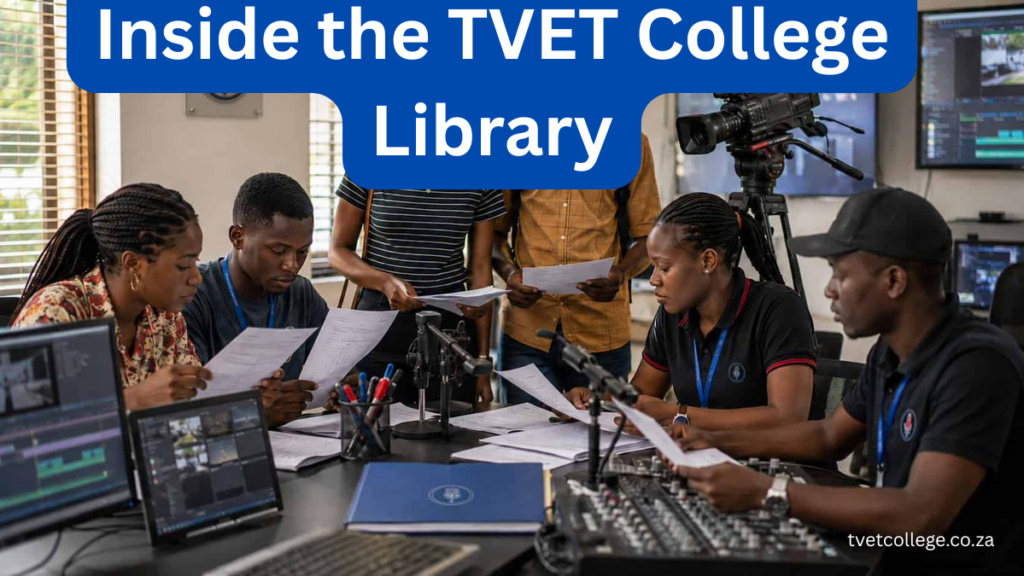
Library and Learning Resources
Successful college students spend time studying outside scheduled lectures.
Libraries and learning resources help students:
- Complete assignments
- Prepare for examinations
- Conduct research
- Improve understanding of course material
- Develop independent learning habits
Rather than relying only on classroom notes, students should develop a routine of reading additional materials and revising lessons throughout the semester.
This approach often leads to better academic performance and reduces stress during examination periods.
Practical Learning Experience
One of the biggest advantages of studying at a TVET college is the emphasis on practical education.
Instead of learning only theoretical concepts, students have opportunities to apply their knowledge through practical activities related to their chosen field.
Engineering Students
Engineering programmes combine classroom instruction with workshop-based learning.
Students may develop skills involving:
- Equipment handling
- Technical drawing
- Electrical systems
- Mechanical components
- Engineering calculations
- Workplace safety
Practical experience helps students understand how theoretical concepts apply in real working environments.
Business Students
Business programmes also include practical workplace preparation.
Students develop competencies such as:
- Office administration
- Business communication
- Customer service
- Computer applications
- Record management
- Financial administration
These practical skills are valuable across both the public and private sectors.
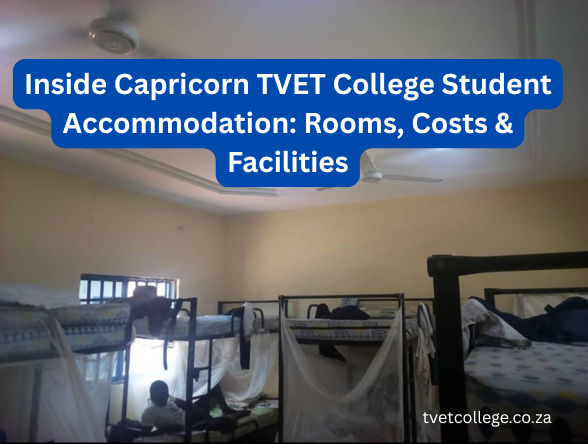
Accommodation
Accommodation is another important consideration before enrolling.
Students generally choose one of several options:
- Living with parents or family
- Renting private accommodation
- Sharing accommodation with fellow students
- Commuting daily from nearby communities
If you’re moving to another town, begin researching accommodation well before registration.
Consider:
- Monthly rental costs
- Distance from campus
- Public transport availability
- Internet access
- Safety of the surrounding area
Planning accommodation early gives you more choices and helps reduce last-minute stress.
Transport
Daily transport costs can have a significant impact on your monthly budget.
Before enrolling, calculate:
- Taxi or bus fares
- Fuel costs if using private transport
- Daily travel time
- Alternative transport options
Students who choose the campus closest to their home often save considerable time and money over the duration of their studies.
Student Life
Student life at a TVET college differs from the traditional university experience.
The primary focus is vocational education and career preparation.
However, students still have opportunities to:
- Build friendships
- Participate in student leadership
- Develop teamwork skills
- Join sports or cultural activities where available
- Network with classmates
- Learn from lecturers and industry professionals
College life is what you make of it.
Students who actively participate, ask questions, and engage with campus activities often enjoy a more rewarding experience.
Career Opportunities After Graduation
One of the biggest reasons students choose TVET College in South Africa is the opportunity to develop practical skills that employers value.
Depending on your qualification, career opportunities may exist in industries such as:
Engineering
Possible employers include:
- Construction companies
- Manufacturing firms
- Municipalities
- Engineering contractors
- Mining companies
- Maintenance organisations
Business
Graduates may work in:
- Banks
- Retail businesses
- Government departments
- Insurance companies
- Corporate offices
- Small businesses
Hospitality and Tourism
Students completing hospitality-related qualifications may pursue opportunities in:
- Hotels
- Restaurants
- Guest houses
- Tourism companies
- Event management businesses
Information Technology
IT graduates may work in areas such as:
- Technical support
- Computer maintenance
- Office technology
- Network support
- Entry-level IT services
Employment depends on several factors, including:
- Academic performance
- Practical experience
- Communication skills
- Workplace readiness
- Industry demand
- Personal initiative
Students who pursue internships, apprenticeships, or learnerships after graduation often strengthen their employment prospects.
Advantages of Studying at TVET College in South Africa
Several strengths make TVET College in South Africa an attractive option for many students.
Practical, Career-Focused Education
The college prepares students with practical skills that align with workplace expectations.
Nationally Recognised Qualifications
Qualifications earned at the college are recognised within South Africa’s public higher education framework.
Affordable Public Education
Compared with many private institutions, tuition fees are generally more affordable.
Eligible students may also receive NSFAS funding.
Multiple Campuses
Several campuses improve accessibility for students across Limpopo Province.
Wide Range of Programmes
Students can choose qualifications across engineering, business, information technology, hospitality, finance, and vocational fields.
Challenges Students Should Prepare For
An honest guide should also discuss realistic challenges.
Independent Learning
College requires greater self-discipline than high school.
Students must manage their own study schedules and meet assignment deadlines without constant reminders.
Registration Periods
Registration is often one of the busiest times of the academic year.
Preparing documents early and arriving on time can help avoid unnecessary delays.
Financial Planning
Even with financial aid, students should budget carefully for:
- Transport
- Meals
- Accommodation
- Learning materials
- Personal expenses
Good financial planning contributes to a less stressful college experience.
Tips for First-Year Students
If you’re beginning your studies at TVET College in South Africa, these practical tips can help you succeed.
- Attend every lecture whenever possible.
- Keep all registration and NSFAS documents organised.
- Build positive relationships with lecturers and classmates.
- Develop a weekly study timetable.
- Ask for help when you don’t understand a topic.
- Take advantage of student support services.
- Participate fully in practical sessions.
- Stay informed about important college announcements.
Small, consistent habits often make a significant difference over the course of your studies.
Frequently Asked Questions
Is TVET College in South Africa a public college?
Yes. TVET College in South Africa is a public Technical and Vocational Education and Training institution operating under the Department of Higher Education and Training.
Does TVET College in South Africa offer NSFAS?
Eligible students registered for approved programmes may apply for NSFAS funding, provided they meet the current eligibility requirements.
Are TVET College in South Africa qualifications recognised?
Yes. Students who successfully complete their programmes receive nationally recognised qualifications.
Can I get a job after graduating?
Many graduates secure employment or continue their studies. Employment depends on your qualification, practical experience, skills, and labour market demand.
Is TVET College in South Africa a good choice?
For students looking for practical, affordable, career-focused education in Limpopo, TVET College in South Africa is a strong option worth considering.
Final Thoughts
TVET College in South Africa continues to provide valuable opportunities for students who want practical education that prepares them for employment, entrepreneurship, and further learning.
Its combination of nationally recognised qualifications, multiple campuses, practical training, and student support makes it an attractive option for many prospective students.
However, your success will depend on much more than simply enrolling.
Students who attend classes consistently, complete assignments on time, participate in practical learning, seek workplace experience, and make use of available support services often gain the greatest benefit from their studies.
Before submitting your application, take time to research your preferred programme, compare campuses, understand the admission requirements, and plan your finances.
Read Also: Everything You Need to Know Before Studying at TVET College in South Africa
Choosing a college is an important decision, but choosing to work hard after you arrive is what ultimately shapes your future.
If you’re committed to learning, developing practical skills, and preparing for the world of work, TVET College in South Africa can provide a strong foundation for achieving your career goals.
Share the article with others if you find it helpful.

Conversation
0 Comments