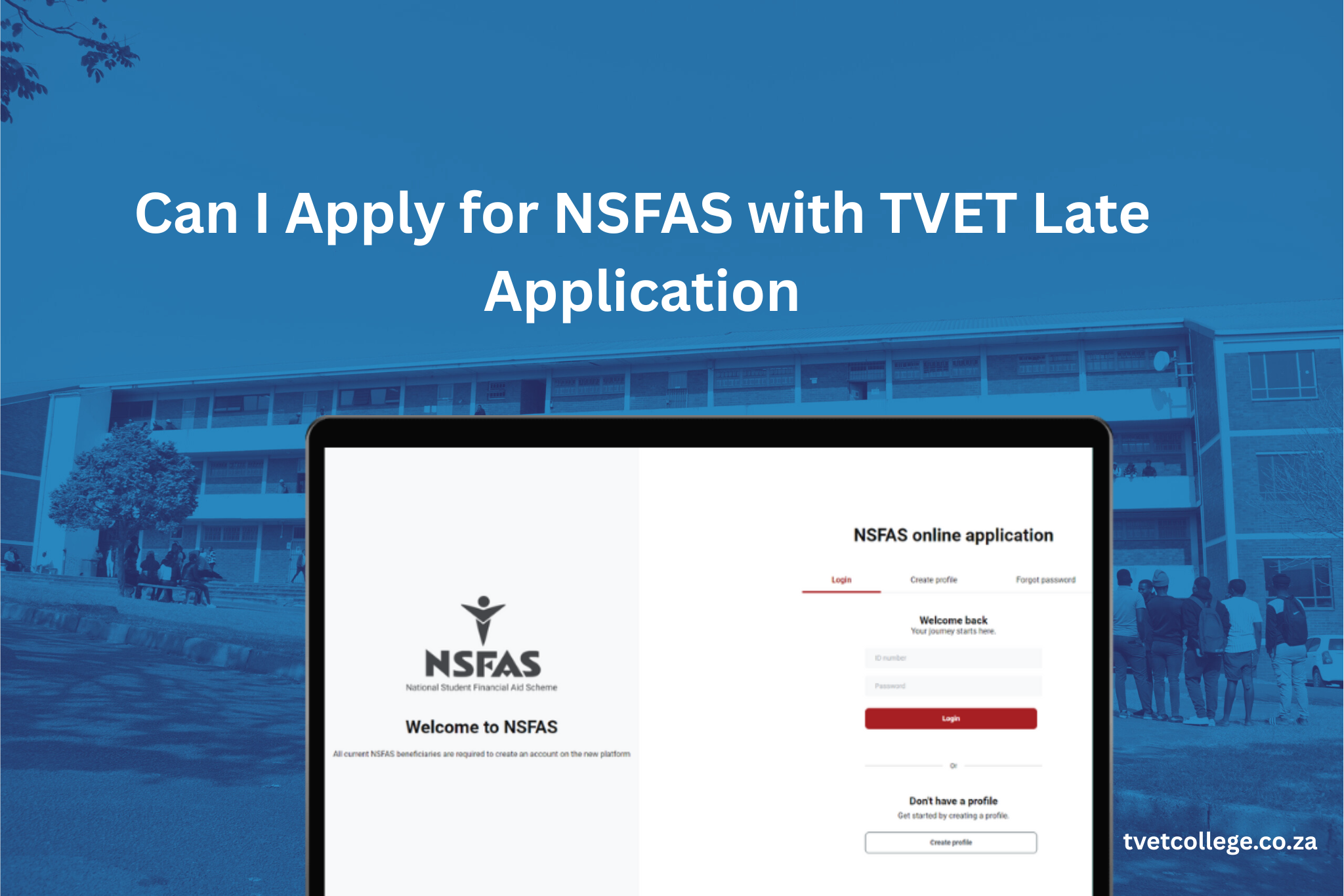
One of the most pressing questions facing prospective TVET college students who’ve missed initial application deadlines is whether they can still access NSFAS (National Student Financial Aid Scheme) funding. The answer is encouraging: yes, you can apply for NSFAS funding even when submitting a late application to TVET colleges, though specific timelines and procedures must be carefully followed to ensure successful financial assistance approval.
NSFAS represents South Africa’s primary student financial aid program, designed to make tertiary education accessible to students from low and middle-income households. Understanding how NSFAS funding works in conjunction with late TVET applications can be the difference between pursuing your educational dreams and missing out on career-changing vocational training opportunities.
This comprehensive guide will walk you through everything you need to know about securing NSFAS funding for late TVET college applications, including eligibility requirements, application procedures, required documentation, approval timelines, and alternative funding options if your NSFAS application faces delays or challenges.
How NSFAS Funding Works for TVET Students
NSFAS provides comprehensive financial support covering multiple aspects of your TVET college education. Understanding what the funding includes helps you plan your finances and appreciate the full value of this student loan program.
What NSFAS Covers for TVET College Students
The financial aid package includes tuition fees for your chosen vocational training program, covering the full cost of your courses regardless of the specific field of study. Whether you’re pursuing electrical engineering, business management, information technology certifications, hospitality training, or any other TVET program, NSFAS funding accommodates approved courses.
Beyond tuition, NSFAS provides accommodation allowances for students who need to live away from home to attend their preferred TVET college campus. This housing allowance helps cover rent, utilities, and basic living expenses, ensuring that financial constraints don’t prevent you from accessing quality education at the best institutions.
The funding also includes allowances for textbooks and learning materials, recognizing that course materials represent significant expenses for vocational students. Additionally, NSFAS provides transport allowances to help students cover daily commuting costs or travel expenses between home and campus.
Living allowances form another crucial component, helping students manage day-to-day expenses including food, personal care items, and other necessities. This comprehensive approach ensures that financial barriers don’t compromise your ability to focus on your studies and successfully complete your vocational training program.
NSFAS Eligibility Requirements for TVET Students
Before applying for NSFAS funding alongside your late TVET application, you must ensure you meet specific eligibility criteria. Understanding these requirements upfront prevents wasted time and allows you to explore alternative funding options if you don’t qualify.
Citizenship and Residency Requirements
You must be a South African citizen holding a valid South African ID document. NSFAS funding is exclusively available to citizens, not permanent residents or international students. This citizenship requirement ensures that government financial resources support local students pursuing education within the country.
Household Income Thresholds
NSFAS uses means-testing to determine financial need and funding eligibility. For TVET college students, the combined annual household income must not exceed R350,000. This threshold is designed to target students from low and middle-income families who genuinely need financial assistance to access tertiary education.
The means test considers all sources of household income including salaries, wages, business income, rental income, pensions, and government grants. Accurate reporting of household finances is crucial, as NSFAS conducts verification checks and fraudulent applications result in immediate disqualification and potential legal consequences.
Academic Requirements
TVET college applicants must meet minimum academic standards to qualify for NSFAS funding. Generally, you need to have passed Grade 9 or equivalent qualifications, though specific program requirements may vary. Some advanced TVET courses require Grade 12 certificates or specific subject passes.
NSFAS also monitors academic progress for continuing students. You must pass a minimum percentage of your courses each academic year to maintain funding eligibility in subsequent years. This performance requirement ensures that financial aid supports committed students who are making satisfactory academic progress.
First-Time NSFAS Applicants vs. Returning Students
If you’re applying to NSFAS for the first time, you have access to funding for the official program duration plus an additional two years. This “N+2” rule means that a three-year diploma program would qualify for up to five years of funding, providing a buffer for students who need extra time to complete their qualifications.
Returning students who previously received NSFAS funding must maintain good academic standing and meet continuing eligibility requirements. If you’re reapplying after a break in studies, you’ll need to demonstrate that you still meet financial need criteria and haven’t exceeded the maximum funding period for your program.
Step-by-Step Guide: Applying for NSFAS with Late TVET Application
Successfully securing NSFAS funding while submitting a late TVET application requires careful coordination of multiple processes. Follow these detailed steps to maximize your chances of approval.
Step 1: Create Your NSFAS Online Account
Visit the official NSFAS website and register for an online account using your South African ID number, contact details, and email address. The online portal serves as your central hub for all NSFAS-related activities including application submission, document uploads, status tracking, and communication with the financial aid office.
Creating your account early, even before you’ve finalized your TVET application, allows you to familiarize yourself with the system and begin gathering required documentation. The registration process is straightforward but requires accurate information, as errors can delay application processing.
Step 2: Complete the NSFAS Application Form
The NSFAS application form requires comprehensive information about your personal details, household composition, family income sources, and educational background. Take time to complete each section accurately, providing honest and verifiable information about your financial circumstances.
You’ll need to declare all household income sources, including those of parents, guardians, or spouses if applicable. The application also asks about household assets, existing debts, and other financial obligations that might impact your ability to fund your education independently.
Step 3: Upload Required Supporting Documents
NSFAS requires specific documentation to verify your identity, financial need, and academic qualifications. Essential documents include certified copies of your South African ID, proof of household income (recent payslips, bank statements, or unemployment letters), and your latest academic results.
If you’re a dependent student, you’ll need parental or guardian ID copies and income documentation. For married applicants, spouse information and income verification is necessary. Orphaned students or those from child-headed households have different documentation requirements and may qualify for additional support.
Ensure all documents are clear, legible, and properly certified where required. Poor quality uploads frequently cause application delays, so invest time in creating high-resolution scans or photographs of your paperwork.
Step 4: Select Your TVET College and Program
Within the NSFAS application, you must indicate your chosen TVET college, preferred campus location, and specific vocational training program. This information allows NSFAS to coordinate funding directly with your institution upon approval.
Even if you’re submitting a late TVET application and haven’t yet received confirmation of acceptance, you can still apply for NSFAS funding. The financial aid application process runs parallel to institutional admissions, and securing funding approval increases your chances of successful late enrollment.
Step 5: Submit Your Application and Track Status
After completing all sections and uploading required documents, submit your NSFAS application through the online portal. You’ll receive a reference number that allows you to track your application status and receive updates about processing progress.
NSFAS applications go through multiple stages including submission, document verification, means testing, and final approval. The online portal displays your current status and may request additional information or documentation if the initial submission is incomplete.
NSFAS Application Timelines and Late Application Considerations
Understanding NSFAS timelines is crucial when coordinating late TVET college applications with financial aid requests. The standard NSFAS application cycle opens in September of the preceding academic year, aligning with early TVET application periods.
However, NSFAS recognizes that students may need to apply after standard deadlines due to changing circumstances, late career decisions, or unexpected life events. The scheme typically keeps applications open until November or December, though earlier submission significantly improves your chances of timely funding approval.
If you’re submitting both a late TVET application and a late NSFAS application, prioritize getting your NSFAS paperwork completed as quickly as possible. Financial aid processing can take several weeks or even months during peak periods, and securing funding approval before your TVET program starts is essential.
Some TVET colleges allow provisional enrollment pending NSFAS approval, meaning you can register for classes while your funding application is still processing. However, policies vary by institution, so communicate directly with your college’s financial aid office about their specific procedures for students awaiting NSFAS decisions.
Alternative Funding Options While Awaiting NSFAS Approval
If your NSFAS application faces delays or if you need immediate funding while waiting for approval, several alternative options can help bridge the financial gap.
Private Bursaries and Scholarships
Numerous private companies, foundations, and non-profit organizations offer bursaries specifically for TVET students. These funding opportunities often target specific fields experiencing skills shortages, such as engineering, information technology, healthcare, and manufacturing.
Research available bursaries through your chosen TVET college’s financial aid office, company websites, and scholarship databases. Many private bursaries have their own application processes, eligibility criteria, and deadlines, so start investigating these options early in your planning process.
Educational Loans and Student Credit
Several South African financial institutions offer educational loans and student credit facilities designed to help students fund their tertiary education. Banks and private lenders provide personal loans, student accounts, and specialized education financing products with competitive interest rates and flexible repayment terms.
While educational loans require eventual repayment unlike NSFAS grants, they can provide immediate funding to begin your studies while awaiting NSFAS approval. Some students use private loans to cover initial costs and then repay them once NSFAS funding is approved and disbursed.
Payment Plans and Installment Arrangements
Many TVET colleges offer institutional payment plans allowing students to spread tuition costs across monthly installments throughout the academic year. These flexible payment arrangements make education more accessible without requiring upfront lump-sum payments.
Contact your college’s finance department to discuss available payment plan options, required deposits, and acceptable payment schedules. Some institutions waive interest on internal payment plans, making them more affordable than external financing options.
Employer Sponsorship and Learnerships
If you’re currently employed, investigate whether your employer offers educational sponsorship programs, skills development funding, or learnership opportunities. Many companies invest in employee education, particularly for vocational training aligned with business needs.
Learnerships combine theoretical education with practical workplace experience, often with employers covering all program costs. These arrangements benefit both students and companies, creating pathways to permanent employment while developing necessary skills.
Common NSFAS Application Challenges and Solutions
Navigating the NSFAS application process while managing late TVET enrollment can present several challenges. Understanding common obstacles and their solutions helps you avoid delays and frustration.
Missing or Incomplete Documentation
One of the most frequent causes of NSFAS application delays involves missing or incomplete supporting documents. The online portal clearly indicates required paperwork, but applicants often overlook items or submit poor-quality scans.
Create a checklist of all required documents before beginning your application. Gather certified copies where necessary, ensure all documents are current and valid, and upload high-resolution images or PDFs. If you’re missing any documents, work to obtain them quickly rather than submitting an incomplete application.
Income Verification Difficulties
Students from households with informal income sources, self-employed parents, or complex financial situations often struggle with income verification requirements. NSFAS needs clear documentation of household finances to conduct means testing accurately.
If standard payslips or tax documents aren’t available, speak with NSFAS directly about alternative verification methods. Bank statements showing consistent deposits, sworn affidavits, letters from employers, or community leader confirmations may be acceptable in specific circumstances.
Technical Issues with Online Portal
The NSFAS online portal occasionally experiences technical difficulties, particularly during peak application periods when thousands of students access the system simultaneously. Server slowdowns, upload failures, and login problems can frustrate applicants trying to meet deadlines.
If you encounter technical issues, try accessing the portal during off-peak hours (early morning or late evening), use different browsers or devices, and ensure stable internet connectivity. Document any persistent technical problems and contact NSFAS technical support for assistance.
Changes in Circumstances
Sometimes family financial situations change between initial application and final approval. Job losses, medical emergencies, or other unexpected events can impact household income and increase financial need.
If your circumstances change significantly after submitting your NSFAS application, contact the financial aid office promptly to update your information. While processing delays are frustrating, ensuring your application reflects current realities improves your chances of receiving appropriate funding.
What Happens After NSFAS Approval
Once NSFAS approves your funding application, several important steps follow to ensure money reaches your institution and supports your education effectively.
Funding Agreement and Acceptance
NSFAS will send you a funding agreement outlining the terms and conditions of your financial assistance. This agreement specifies covered expenses, disbursement schedules, academic performance requirements, and eventual repayment obligations.
Read the funding agreement carefully before accepting. While NSFAS provides crucial support, understanding your obligations ensures you maintain eligibility throughout your studies and fulfill any post-graduation requirements.
Direct Payment to TVET College
NSFAS doesn’t transfer funds directly to students in most cases. Instead, the scheme pays your TVET college directly for tuition and related fees. The college receives funding on your behalf and applies it to your student account, covering registration fees, course costs, and other approved expenses.
Allowances for accommodation, books, transport, and living expenses are typically provided through NSFAS wallets or direct payments to your bank account, depending on current program structures and policies.
Maintaining Funding Eligibility
To continue receiving NSFAS funding throughout your TVET program, you must maintain satisfactory academic progress. This means passing a minimum percentage of your courses each semester or academic year, as specified in your funding agreement.
Academic performance monitoring ensures that financial aid supports students making genuine progress toward qualification completion. If you experience academic difficulties, seek help from college support services, tutoring programs, or academic advisors before performance drops to levels that jeopardize funding eligibility.
Tips for Successful NSFAS and Late TVET Application Coordination
Maximizing your chances of securing both TVET admission and NSFAS funding requires strategic planning and proactive engagement throughout the application process.
Start Both Applications Simultaneously
Don’t wait to secure TVET admission before applying for NSFAS funding. Both processes can proceed in parallel, and having your financial aid approved increases your attractiveness as a candidate for late admission.
Communicate with Both Institutions
Maintain regular contact with both NSFAS and your chosen TVET college’s financial aid office. Inform each institution about your status with the other, and ask how they can coordinate to facilitate your enrollment and funding.
Have Backup Plans Ready
While working toward NSFAS approval, research alternative funding sources as contingency options. Having multiple pathways to finance your education reduces stress and ensures you don’t miss enrollment opportunities while awaiting financial aid decisions.
Be Persistent and Follow Up Regularly
Both late TVET applications and NSFAS funding requests require persistence. Follow up regularly on both applications, respond promptly to any information requests, and demonstrate your commitment to pursuing your education despite timing challenges.
Read Also: Is TVET College Still Open for Late Application? Your Complete 2026 Guide
Conclusion
Yes, you can absolutely apply for NSFAS funding even when submitting a late application to TVET colleges. While coordination requires careful planning and attention to deadlines, thousands of students successfully secure financial aid for late enrollments each academic year.
The key to success lies in understanding both processes thoroughly, meeting all eligibility requirements, submitting complete and accurate applications, and maintaining proactive communication with relevant institutions. NSFAS exists specifically to remove financial barriers to education, and late application circumstances don’t disqualify motivated students from accessing this crucial support.
Don’t let missed deadlines or financial concerns prevent you from pursuing quality vocational training. Take immediate action by creating your NSFAS account, gathering required documentation, and reaching out to TVET college admissions offices about late enrollment opportunities. Your future career success depends on the educational foundation you build today, and both NSFAS funding and TVET late applications provide pathways to achieve your professional goals regardless of timing challenges.
Start your application journey now, stay organized throughout the process, and remember that persistence and preparation will help you overcome any obstacles between you and your educational dreams.
