Missing the regular application deadline for Technical and Vocational Education and Training (TVET) colleges doesn’t mean your educational dreams are over. Many TVET colleges across South Africa offer walk-in late application opportunities, providing students with a second chance to enroll in certificate programs, diploma courses, and vocational training that can lead to rewarding careers.
Understanding the walk-in late application process is crucial for students who missed initial deadlines, changed their career plans, or received their matric results later than expected. This comprehensive guide will help you navigate the late application process, secure funding, and choose the right vocational training program for your future.
What is a TVET College Walk-In Late Application?
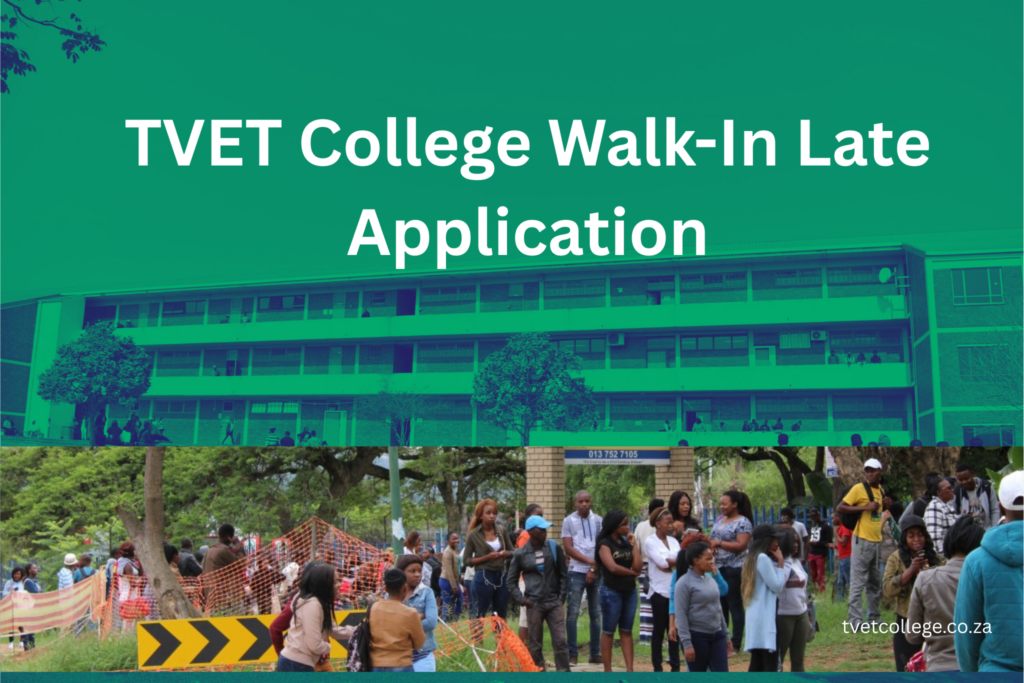
A walk-in late application refers to the process where prospective students can physically visit TVET college campuses after the standard application period has closed. During these walk-in sessions, colleges accept applications from students who want to enroll in various certificate programs, national certificate vocational (NCV) courses, and occupational certificate programs.
TVET colleges offer this extended application window to ensure that all deserving students have access to quality vocational education and skills training. These institutions understand that circumstances vary, and not everyone can meet the initial registration deadlines.
When Do TVET Colleges Accept Walk-In Applications?
Walk-in late application periods typically occur in January and February, just before the academic year begins. However, some colleges may extend their walk-in periods into March or even later, depending on available space in specific programs.
The exact dates vary by institution and province. Most public TVET colleges announce their walk-in application dates on their official websites and social media platforms. It’s essential to monitor these channels regularly or contact the college admissions office directly to confirm current walk-in schedules.
Some colleges also offer mid-year intake for specific courses, providing another opportunity for late applicants to begin their studies in July or August.
Required Documents for Walk-In Applications
Preparation is key to a successful walk-in application. Before visiting your chosen TVET college, ensure you have all necessary documents:
Essential Documents
- Certified ID Copy – A certified copy of your South African identity document or birth certificate
- Matric Certificate or Results – Your National Senior Certificate or equivalent qualification
- Academic Transcript – Official record of your academic performance
- Proof of Residence – Recent utility bill, affidavit, or municipal account
- Passport Photos – Usually 2-4 recent passport-size photographs
- Application Form – Some colleges provide forms online, while others distribute them on-site
Additional Documentation
Depending on your circumstances, you may also need:
- Previous college or university records if you’re transferring
- NSFAS application reference number if applying for financial aid
- Disability certificate if you require special accommodations
- Employment letter if you’re a working student
- Guardianship documents if you’re under 18
Always call ahead to confirm specific document requirements, as these may vary between institutions and programs.
Popular TVET Courses Available for Late Applications
TVET colleges offer diverse programs designed to equip students with practical skills and industry-relevant knowledge. Here are some of the most sought-after courses typically available during walk-in periods:
Engineering and Technical Programs
- Electrical Engineering (Light Current and Heavy Current)
- Mechanical Engineering
- Civil Engineering and Construction
- Automotive Repair and Maintenance
- Welding and Metal Work
- Plumbing and Pipe Fitting
Business and Management Studies
- Business Management
- Office Administration
- Financial Management and Accounting
- Human Resource Management
- Marketing and Sales
- Entrepreneurship Development
Hospitality and Tourism
- Hospitality Management
- Professional Cookery
- Tourism Operations
- Event Management
- Food and Beverage Services
Information Technology
- Information Technology Systems
- Software Development
- Network Administration
- Multimedia Design
- Computer Hardware and Maintenance
Other In-Demand Fields
- Early Childhood Development
- Primary Health Care
- Beauty Therapy and Cosmetology
- Fashion Design
- Agriculture and Farming
Course availability during late application periods depends on enrollment capacity and available spaces in each program.
Step-by-Step Walk-In Application Process
Follow these steps to maximize your chances of successful enrollment:
Step 1: Research and Choose Your College
Identify TVET colleges offering your preferred course. Consider factors like location, campus facilities, course reputation, industry partnerships, and employment rates of graduates.
Step 2: Verify Walk-In Dates and Times
Contact the admissions office or check the college website for confirmed walk-in application dates. Some colleges operate on a first-come, first-served basis, so arriving early increases your chances.
Step 3: Prepare Your Documents
Gather all required documents and have them certified where necessary. Make copies of everything and organize them in a folder for easy access.
Step 4: Visit the College Campus
Arrive early on the designated walk-in day. Expect queues, especially for popular programs. Dress professionally and bring snacks and water, as the process may take several hours.
Step 5: Complete the Application
Fill out the application form accurately and honestly. Admissions staff will review your documents and may conduct a brief interview or assessment to determine your suitability for the program.
Step 6: Submit Supporting Documents
Hand in all required documentation along with your completed application form. Request a receipt or acknowledgment of your submission.
Step 7: Attend Placement Tests (if required)
Some programs require placement tests or interviews. Prepare by reviewing basic mathematics, language skills, and subject-specific knowledge related to your chosen field.
Step 8: Await Confirmation
Colleges typically notify successful applicants within days or weeks. Keep your contact information updated and check your email regularly.
TVET College Funding and Financial Aid Options
Cost shouldn’t be a barrier to quality education. Several funding options are available for TVET students:
NSFAS (National Student Financial Aid Scheme)
NSFAS provides comprehensive financial assistance covering tuition fees, accommodation, learning materials, and living allowances for eligible students. To qualify, you must:
- Be a South African citizen
- Come from a household with a combined annual income of R350,000 or less
- Be registered at a public TVET college
- Meet the academic requirements for your chosen course
Late applicants can still apply for NSFAS funding, though early application is recommended as funds are limited.
Bursaries and Scholarships
Various organizations offer bursaries for TVET students, including:
- Government department bursaries (Transport, Health, Education)
- Corporate bursaries from major companies
- Industry-specific funding from professional bodies
- NGO and foundation scholarships
Research available bursaries in your field of study and apply to multiple programs to increase your chances.
Payment Plans
Many colleges offer flexible payment arrangements allowing students to pay fees in installments throughout the academic year. Discuss payment plan options with the college’s financial aid office.
Workplace Sponsorships
If you’re employed, your employer may sponsor your studies, especially if the qualification will benefit your current role or company operations.
Tips for Successful Late Applications
Maximize your chances of acceptance with these practical tips:
- Apply to Multiple Colleges – Don’t put all your hopes in one institution. Apply to several colleges offering your preferred course.
- Be Flexible with Course Selection – Have alternative course options in mind if your first choice is full.
- Demonstrate Genuine Interest – Show enthusiasm and commitment during interviews or interactions with admissions staff.
- Highlight Relevant Experience – Mention any volunteer work, part-time jobs, or activities related to your chosen field.
- Prepare for Assessments – If placement tests are required, review basic concepts and practice problem-solving skills.
- Follow Up Professionally – After submitting your application, follow up politely to check on your status.
- Consider Alternative Start Dates – If immediate enrollment isn’t possible, ask about mid-year intake or the following year’s early application.
Benefits of TVET College Education
Choosing TVET education offers numerous advantages for career-focused students:
Practical Skills Development – TVET programs emphasize hands-on training, ensuring graduates are job-ready with industry-relevant skills.
Shorter Study Duration – Most certificate programs can be completed in 6-18 months, while diplomas take 2-3 years, allowing faster entry into the workforce.
Affordable Education – TVET college fees are generally lower than university tuition, with excellent financial aid options available.
High Employment Rates – Many TVET graduates secure employment quickly due to the demand for skilled technical workers.
Industry Partnerships – TVET colleges maintain strong relationships with employers, facilitating internships, workplace experience, and job placements.
Entrepreneurship Opportunities – Vocational skills enable graduates to start their own businesses and become self-employed.
Articulation Pathways – TVET qualifications can serve as stepping stones to higher education, with many universities accepting TVET credits.
Common Challenges and How to Overcome Them
Late applicants may face certain obstacles, but these can be navigated successfully:
Limited Space in Popular Programs
Solution: Apply early during the walk-in period and have backup course options ready.
Missing Documents
Solution: Start gathering documents well in advance. If certain documents are unavailable, ask the college about alternative proof or temporary admission.
Financial Constraints
Solution: Apply for NSFAS and other funding immediately. Explore part-time work-study programs that allow you to earn while learning.
Transportation Difficulties
Solution: Research colleges with on-campus accommodation or those accessible via public transport. Some colleges offer transport assistance programs.
Academic Requirements Concerns
Solution: Many TVET programs have flexible entry requirements. Discuss bridging courses or foundation programs that can help you meet prerequisites.
Province-Specific Walk-In Information
Each South African province has multiple TVET colleges with varying walk-in procedures:
Gauteng
Home to several major TVET colleges including Ekurhuleni East, Tshwane South, and Central Johannesburg, Gauteng offers extensive walk-in opportunities across its urban and peri-urban campuses.
Western Cape
Colleges like False Bay, Northlink, and College of Cape Town typically conduct organized walk-in sessions with clear schedules published in advance.
KwaZulu-Natal
Coastal and Majuba TVET colleges serve this province with walk-in applications typically occurring at multiple campus locations simultaneously.
Eastern Cape
Buffalo City and Ikhala TVET colleges provide rural and urban access to late applications across their numerous campuses.
Other Provinces
Limpopo, Mpumalanga, North West, Northern Cape, and Free State all have dedicated TVET colleges with walk-in application procedures tailored to their regional needs.
Check your provincial Department of Higher Education website for specific college information and contact details.
Read Also: TVET Late Application Fees: Complete Cost Guide and Payment Options
Conclusion: Your Educational Future Awaits
Missing the initial application deadline doesn’t mean missing your chance at quality vocational education. TVET college walk-in late applications provide valuable second opportunities for students ready to invest in their future careers.
By understanding the process, preparing thoroughly, exploring funding options, and approaching walk-in applications strategically, you can secure your spot in a program that aligns with your career goals and interests.
The skills and qualifications you’ll gain through TVET education open doors to meaningful employment, entrepreneurship, and continued learning. Don’t let a missed deadline hold you back—take action today, prepare your documents, and visit your nearest TVET college during their walk-in period.
Your journey toward a skilled profession and brighter future begins with that first step through the college doors. Make 2025 the year you invest in practical education that transforms your career prospects and creates lasting opportunities.
Take Action Now: Contact your nearest TVET college today to confirm their walk-in application dates and start gathering your required documents. Your future career is waiting.